D Drawing to Parts100–500 unit runs · Dongguan

Cases · client names withheld by agreement

What the work actually looks like.

Three projects, three different failure modes: firmware that outran the hardware, a multi-board product with no release discipline, and a consumer product that had to go from drawing to tooling to crowdfunding delivery.

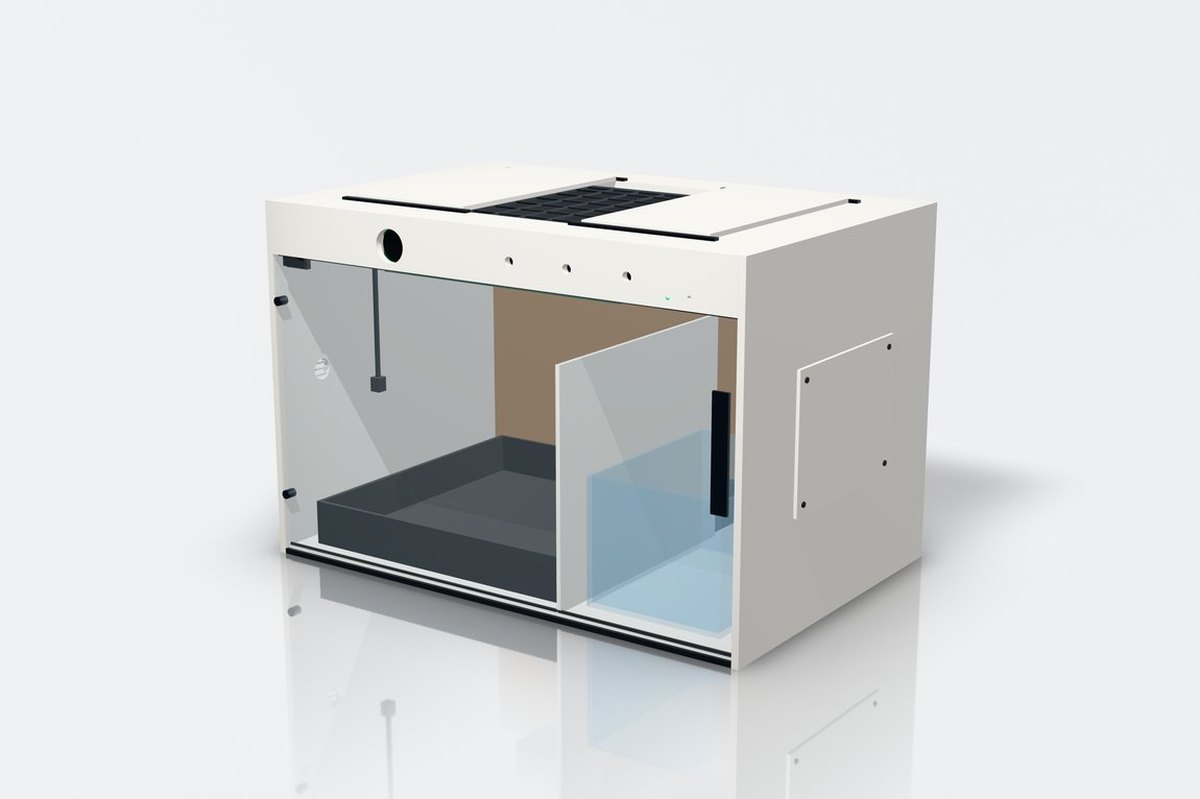
Rendered enclosure of a smart climate product

01 · Smart climate enclosure

Twelve releases, one hardware freeze.

Problem. The prototype worked, but releases did not: firmware changes were untraceable, the UI promised features the hardware could not deliver, and defects reopened after being marked fixed. Production could not start.

What changed. A one-page capability freeze separated what the boards can do (fixed) from firmware behaviour (updatable), so the UI could only rely on real hardware. Every release required four artifacts — source, final review, change note, proof of send — and no defect closed without repeatable bench numbers.

Releases deliveredV3.14 → V3.27, four artifacts each
On-time delivery6 of 7, one slip tracked with a new date
Quality score4.9 / 5
Defects closedAll, with evidence
02 · Multi-board BLE product

Three boards, three firmware images, one screen.

Problem. Three boards, three firmware targets, one 854×480 UI and a flashing line — and no shared rule for who owns what. UI decisions were being made against assumptions the hardware could not support.

What changed. Hardware was frozen in a documented table (pins, relays, sensors, unknowns marked unusable until confirmed), firmware was treated as replaceable, and the UI was designed only on confirmed capabilities. The flashing line got a written procedure with a pass/fail record per unit.

Firmware targets3, one release process
UI scope25 pages at 854×480
LineFlashing procedure, per-unit record
HandoverHardware table + release checklist
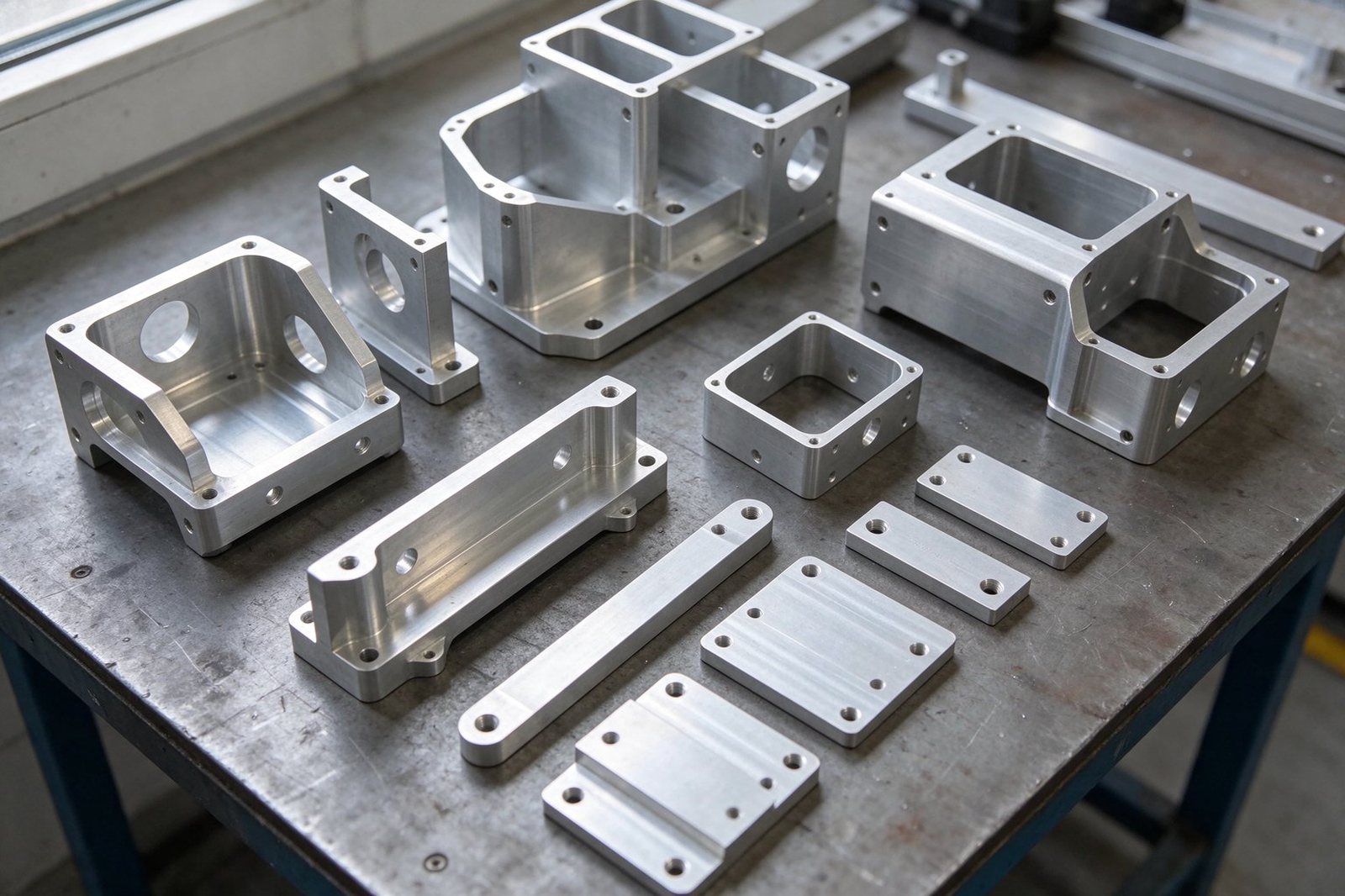
Machined parts and hardware from a multi-board product
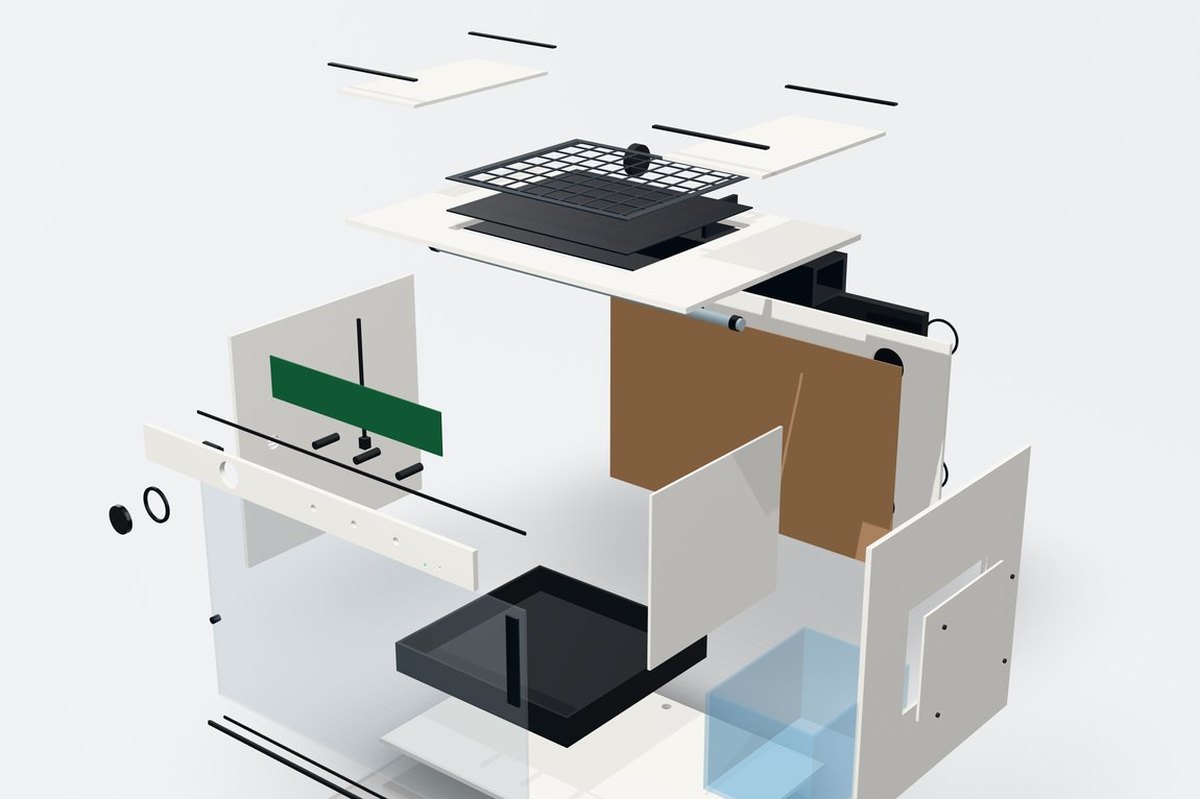
Exploded view of a consumer product: panels, board and glass

03 · Own product, crowdfunded

Drawing to tooling to backers' doorsteps.

Problem. A consumer enclosure with a moulded frame, tempered glass, a control board and a heater — to be made in small volume, funded by a campaign, delivered on a date we had published.

What changed. The DFM pass killed two moulds before they were cut, the tooling budget went into the two parts that actually mattered, and production was planned around the campaign date rather than the factory's convenience. Twelve releases later, the same process is what we sell.

ScopeEnclosure, board, harness, packaging
Tooling2 moulds avoided at review stage
LaunchCrowdfunded, shipped to backers
IP3 patents + US trademark

Your project

Send a drawing and get a free 3-point check.

Three risks we can see without a full review, by email, within one working day.

Email support@purpetes.com
  • STEP / STP / STL / IGES, or a dimensioned PDF
  • Target quantity and material, if known
  • Reply within one working day